Author: Mary Petri
-
U.S. Housing Enters a Choice Market
We’re seeing a real shift in the U.S. housing market—what I call a true 'choice market.' Inventory is building up, and homes are staying available just a bit longer, which means buyers finally have more breathing room to weigh their options. Data shows about 42% of listings are now seeing price reductions, noticeably higher than the usual 30–35%. National inventory is also on the rise, and the median days on market recently increased from 63 to 70 days. Median prices have eased a bit as well, from $449K to around $440K. This added selection is tilting negotiations, but it’s not a free-for-all—buyers still need to be clear-eyed and strategic with their offers, since more leverage doesn’t mean every deal will go their way. As someone who prides myself on matching clients with the right fit and guiding them through the ups and downs, I see these changes as a chance to help both buyers and sellers look at the full picture before making a move.
-
Buyers Gain Leverage, Not Affordability
In our current real estate landscape, buyers are discovering they have more negotiation power—even if affordability remains a challenge. With borrowing costs hovering around 7%, it's true that stretching a budget is still tough. But with fewer competing offers, qualified buyers are finding more opportunities to negotiate price, repairs, and closing costs, or even walk away if the fit isn’t right. Mid-Q3 saw sellers outnumber buyers by about 58%, the widest gap since 2013. This shift explains the increase in price cuts and seller concessions. However, national home prices haven’t seen a sharp drop, largely because many owners have significant equity or locked in lower mortgage rates, so there’s less urgency to sell for less unless a move is unavoidable. If rates stay high, buyers' leverage could continue to grow. But if rates ease, affordability may improve, and more buyers could jump back in—meaning competition (and less leverage) would likely return. I always listen closely to my clients’ needs so I can help them navigate these market nuances—whether you’re looking for the right fit or aiming to maximize your sale, having a keen eye on these trends is key.
-
Your Chicago Home Search Starts Here
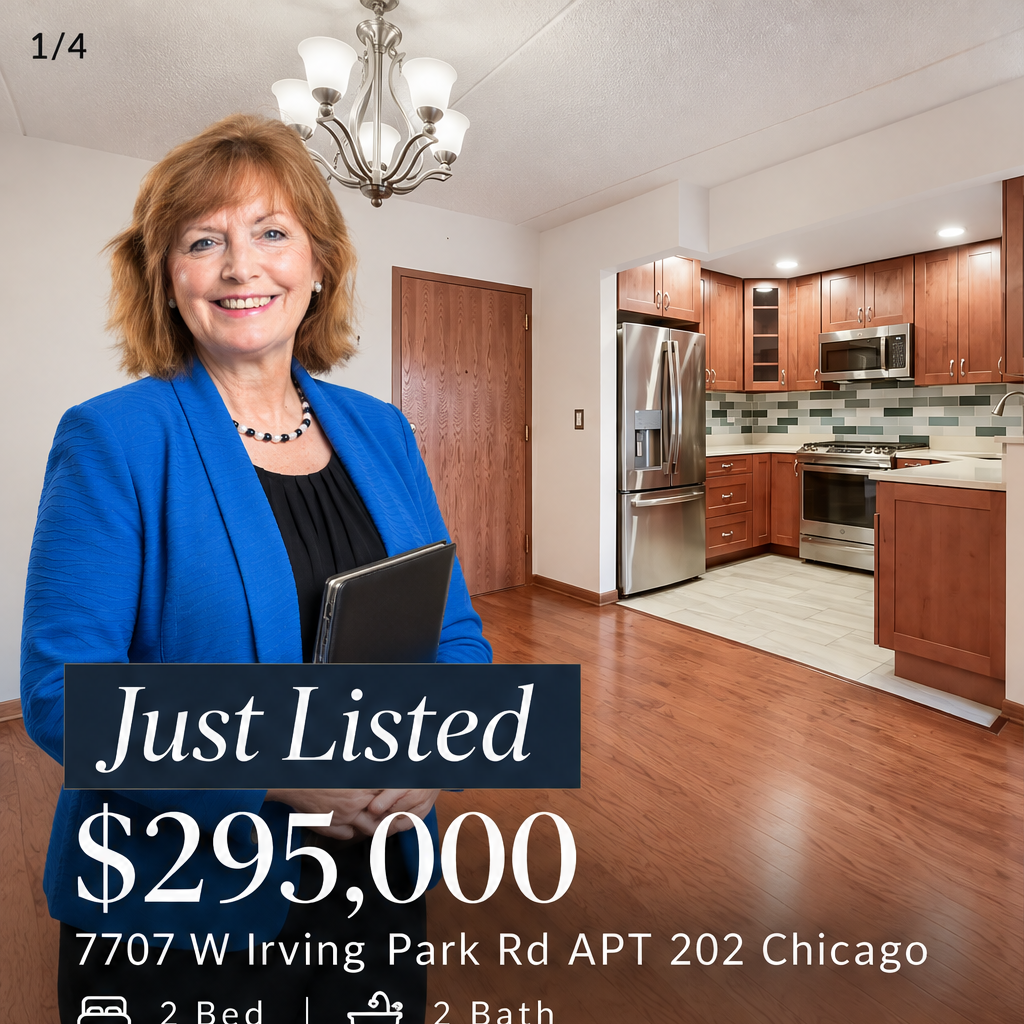
7707 W Irving Park Rd APT 202 Chicago is a house listed at $295,000. The property includes 2 bedrooms and 2 bathrooms, giving buyers clear details to consider as they evaluate their next move in Chicago, Illinois.
The listing offers a straightforward way to begin a Chicago home search: review the asking price, compare the 2-bedroom and 2-bathroom layout with your needs, and consider how the home fits into your plans.
For additional context, All Residential homes in Chicago recorded a median sale price of $409,805 from July 1 through September 30, 2026. Market information can help buyers place an individual listing within the broader Chicago real estate landscape.
Interested in learning more about 7707 W Irving Park Rd APT 202 Chicago? Message me to talk about your move.
Continue to full article -
Homebuilder Lobbying Pushes Housing Reform
Housing affordability is at the center of so many conversations lately—and for good reason. Recent calls from banking, homebuilding, and government leaders are urging Congress to address critical gaps in federal housing reform, especially as more Americans struggle to buy a home. It’s become clear that even large commitments from lenders and rental platforms can’t solve the fact that, in many markets, middle-income buyers are being priced out. For instance, one banking executive shared that the income needed for a typical middle-income home has jumped to $124,000 after nearly doubling in five years, while 169 out of 390 metro areas simply don’t have enough available homes.
The behind-the-scenes costs are staggering—industry groups estimate fees and related building expenses now add $131,000 to the price of a new home. And let’s not forget how local politics, red tape, and compliance demands can make or break a project’s success. As someone who guides buyers and sellers through all kinds of real estate transactions, I see the impact of these barriers every day. That’s why I make it my mission to listen closely, help you navigate tough situations, and point you to the right resources—because finding the right match isn’t just about the property, but understanding the entire landscape together.
-
Chicago Winter Is Coming: Home Inspection Experts Reveal the Problems Homeowners Should Fix Now
As someone who’s helped countless Chicago homeowners navigate the ins and outs of our unique real estate market, I know that a little preparation goes a long way—especially with winter just around the corner. Now is the time to take a close look at your roof, gutters, plumbing, foundation, heating system, and basement. These areas are your first line of defense against moisture, ice, frozen pipes, and those unexpected repair bills that no one wants to face in the middle of January. Whether you’re thinking of selling soon or just want to protect your investment, making these checks part of your fall routine can save you trouble down the road. I always encourage my clients to see the bigger picture—prevention is key to keeping your home safe, comfortable, and ready for whatever a Chicago winter brings.
Continue to full article -
Where People are Moving: The Hottest ZIP Codes in America
I always keep an eye on where people are moving, because understanding these trends helps me match clients with the right opportunities. In September, Aurora, CO's 80019 ZIP stood out, with 17.7 moves per 1,000 residents—a clear sign that new developments and strong Denver-area demand are drawing people in. Meanwhile, Texas led the country in total moves, thanks to a combination of booming suburbs and military relocations (not just vacation moves). Whether you’re buying or selling, trends like these are part of the bigger picture I consider when helping clients meet their goals and maximize their experience. Real estate is all about listening and anticipating needs—seeing beyond today’s numbers to help you make smart decisions tomorrow.
Continue to full article -
How Housing Inflation Is Measured
Housing inflation isn’t a one-size-fits-all concept—there’s no single formula that captures the full picture in the US. When clients talk to me about housing costs, I know they could mean anything from rent and utilities to maintenance, purchase prices, or even the changing character of a neighborhood. One major consumer inflation index actually leaves out home prices entirely, so truly understanding what’s happening takes a blend of rent measures and construction data.
From early Q1 2020 to early Q1 2024, we saw the median price for existing homes climb by about 42%. That’s a huge shift, driven by a tight supply and the new wave of remote work. This affected everyone differently: renters felt the squeeze on rent and utilities, sellers saw higher prices, and landlords faced their own challenges, especially with eviction moratoriums in place at times.
But here’s what I always remind my clients—national averages only tell part of the story. What matters most is what’s happening right in your own market, neighborhood, and even on your block. Every buying and selling decision deserves that level of attention. As your real estate matchmaker, I’m here to help you see the full picture and make the best move for your unique situation.
-
Are AI Home Valuation Tools Worth the Cost?
AI home valuation tools have certainly changed the landscape, offering fast, efficient ballpark numbers pulled from public records, listings, and past sales. But as someone who always looks at the full picture for my clients—whether you’re buying, selling, or investing—I know that no algorithm can replace the value of on-the-ground experience. Free tools are handy for a quick estimate, but they aren’t appraisals and sometimes give owners a false sense of confidence about price. Even more advanced AI systems, designed for lenders or investors and often packed with forecasts or workflow features, still face challenges with accuracy and fairness. Algorithms can pick up on old patterns, sometimes undervaluing certain neighborhoods, which can affect everything from equity to refinancing. That’s why I always recommend using these tools as a starting point, not the final answer. For any major decision, transparency, independent audits, and a trusted real estate expert’s perspective are absolutely essential. My goal is to make sure every client gets guidance and attention tailored to their unique situation—because reputation and referrals are everything in real estate.